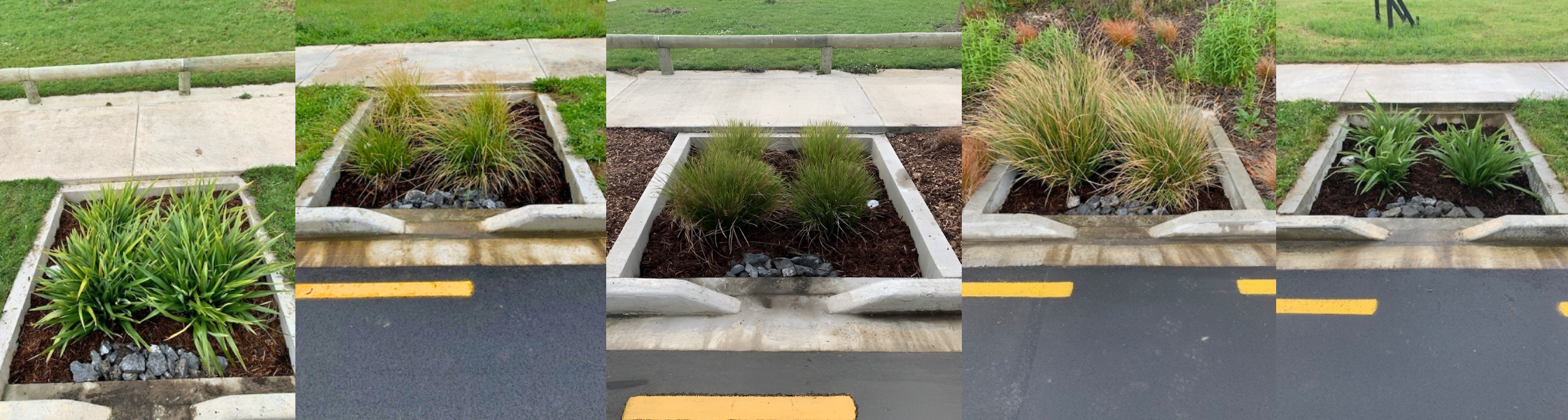
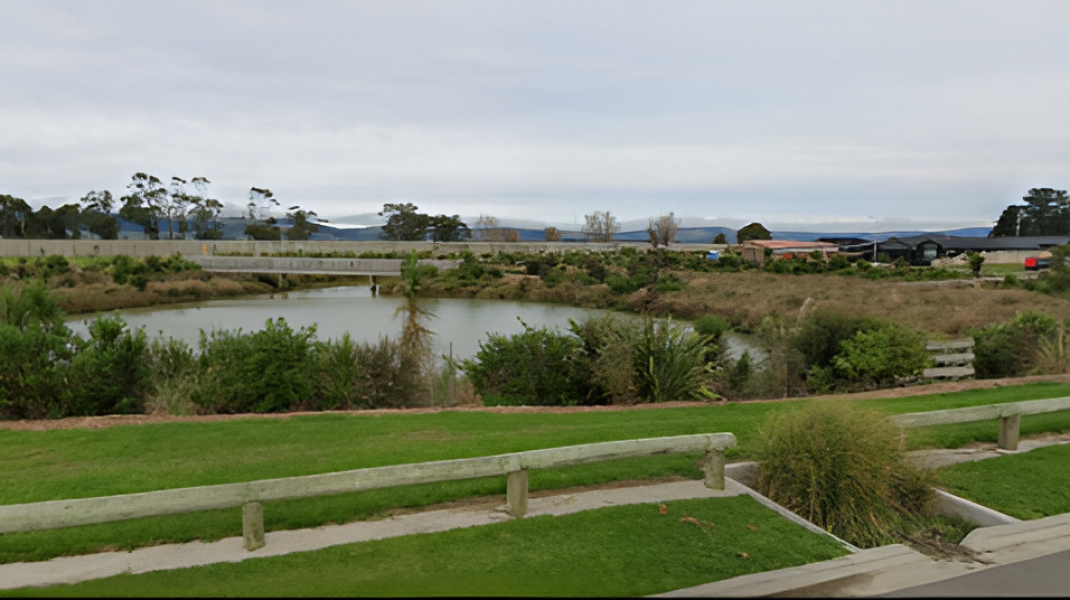
Tamakuku Terrace Subdivision, Palmerston North
Project Overview
The Tamakuku Terrace subdivision in Palmerston North showcases how compact green infrastructure can deliver high-performing stormwater treatment outcomes in space-constrained urban developments.
A total of 29 shallow Filterra® biofiltration systems were installed throughout the subdivision to treat road runoff at source, improve downstream water quality, and support long-term environmental outcomes for the growing community.
Stormwater360 worked closely with the project's civil consultant during the early design phase after it became clear that traditional rain gardens and tree pits were not feasible due to limited corridor widths and shallow downstream pipe depths. The challenge was to provide effective stormwater treatment while minimising land take and avoiding costly redesigns.
Solution
The project team selected 29 shallow Filterra® systems as the preferred stormwater treatment solution.
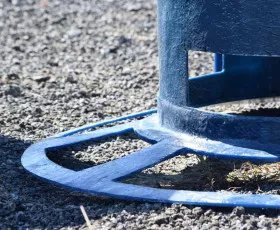
Filterra® is a pre-engineered, plug-and-play biofiltration system that combines engineered media, vegetation, and natural biological processes to treat stormwater runoff before it enters the downstream network. Requiring as little as 10% of the footprint of a traditional rain garden, Filterra® enabled the project to meet stormwater treatment requirements within the available road corridor.
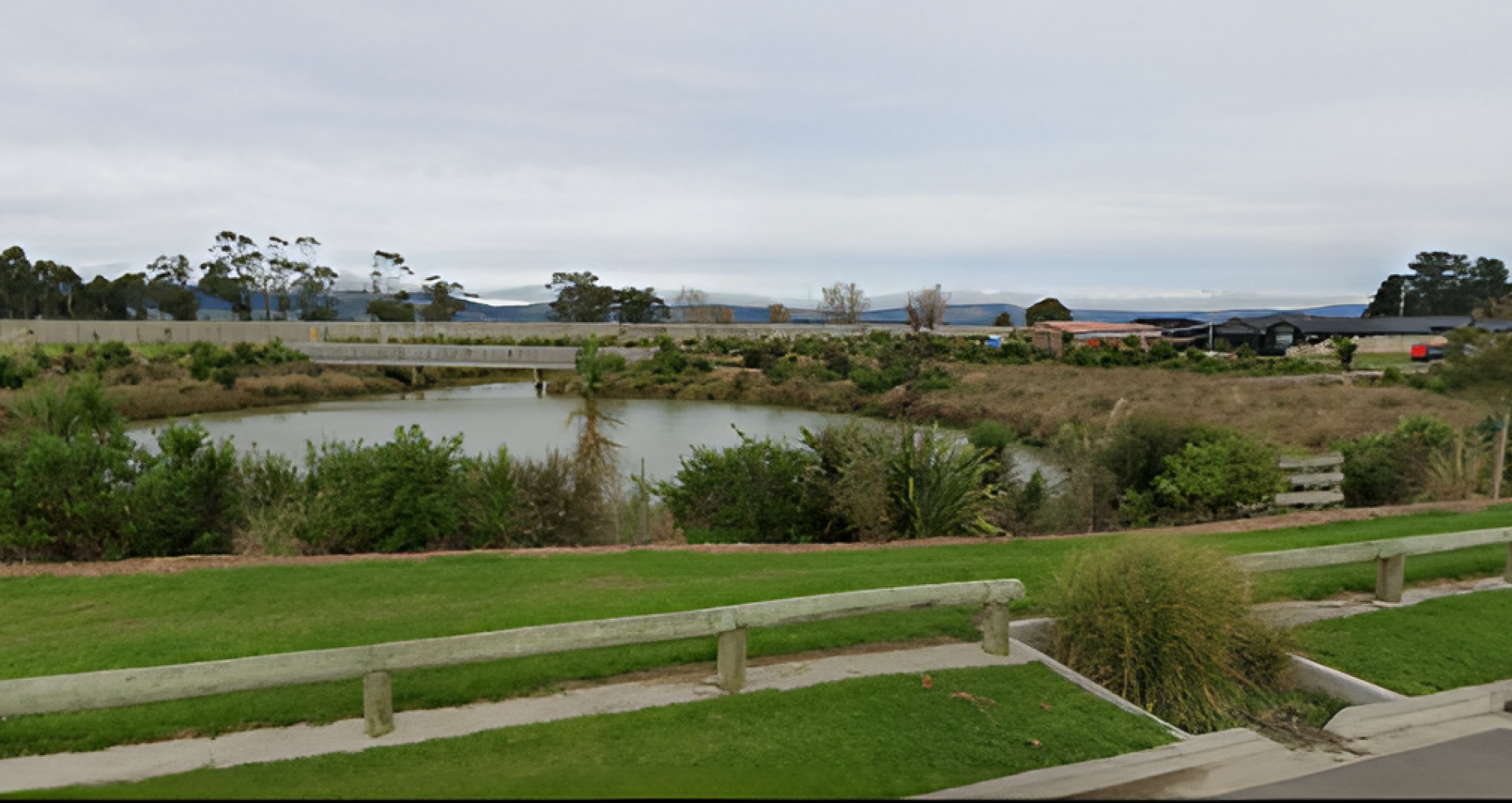
The shallow configuration proved particularly valuable on this project, allowing the treatment systems to be integrated into areas where conventional biofiltration devices would not have been feasible due to depth constraints. The decentralised design also enabled stormwater to be treated closer to its source, reducing pollutant loads entering the downstream wetland and helping protect the receiving environment.
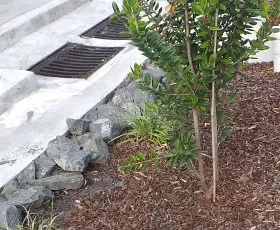
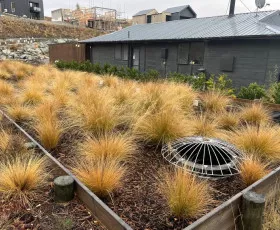
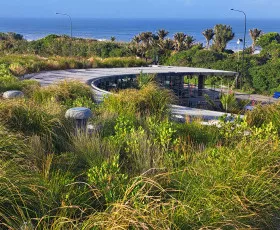
To further enhance environmental outcomes, native plant species from Stormwater360's curated planting palettes were incorporated into each system, contributing to biodiversity, and habitat creation for pollinators and beneficial insects.
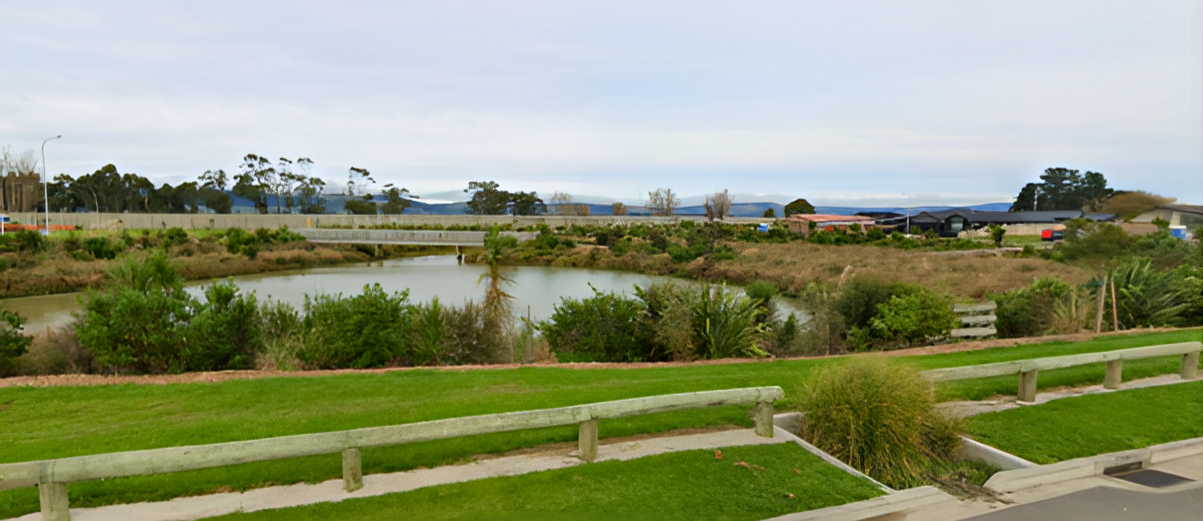
Image sourced from Google Images
Target Contaminants
The Filterra® systems were designed to remove a broad range of contaminants commonly found in urban road runoff, including:
-
Fine sediment
-
Total Suspended Solids (TSS)
-
Heavy metals
-
Hydrocarbons
-
Nutrients
-
Dissolved pollutants
-
Gross pollutants and debris
Through a combination of physical filtration, adsorption, and biological treatment processes, the systems capture and break down pollutants before they can enter the downstream stormwater network and receiving environment.
Maintenance
Long-term performance and operational efficiency were key considerations for the asset owner.
Unlike many traditional biofiltration systems, Filterra® is specifically engineered for low-maintenance operation and long-term hydraulic performance.
Key maintenance benefits include:
-
Surface-accessible design with no confined space entry requirements
-
Reduced maintenance costs
-
Periodic mulch replacement only
-
Engineered media designed to remain effective without routine replacement
-
Consistent treatment performance over the life of the asset
These features help minimise whole-of-life costs while ensuring reliable stormwater treatment outcomes for the community.
Conclusion
The Tamakuku Terrace subdivision demonstrates how innovative stormwater infrastructure can overcome the challenges of limited space and shallow downstream services without compromising environmental performance.
By integrating 29 shallow Filterra® systems throughout the development, the project successfully delivered a compact, resilient, and low-maintenance stormwater treatment network that improves water quality, enhances urban biodiversity, and protects downstream ecosystems.
The project highlights how Filterra® can unlock development opportunities in constrained urban environments while providing councils, developers, and communities with a sustainable solution for long-term stormwater management.